The image freezes a moment that suddenly feels heavier than it did when the shutter clicked. In the foreground, a massive ZIM container vessel sits docked at Haifa Port, its hull dark and dense, stacked high with containers arranged like a rigid urban grid at sea. Above it, a line of towering red-and-white gantry cranes stretches horizontally across the frame, their angled arms forming a tense, almost skeletal geometry against the water. The Mediterranean looks deceptively calm here, a flat blue plane separating the ship from the hazy city in the background. Haifa’s shoreline rises softly behind the port, buildings fading into a pale atmospheric blur, as if the city itself is half-present, watching. The cranes dominate everything, industrial, immovable, symbolic, while the ship beneath them feels loaded not just with cargo but with consequences. It’s one of those images that quietly changes meaning overnight.
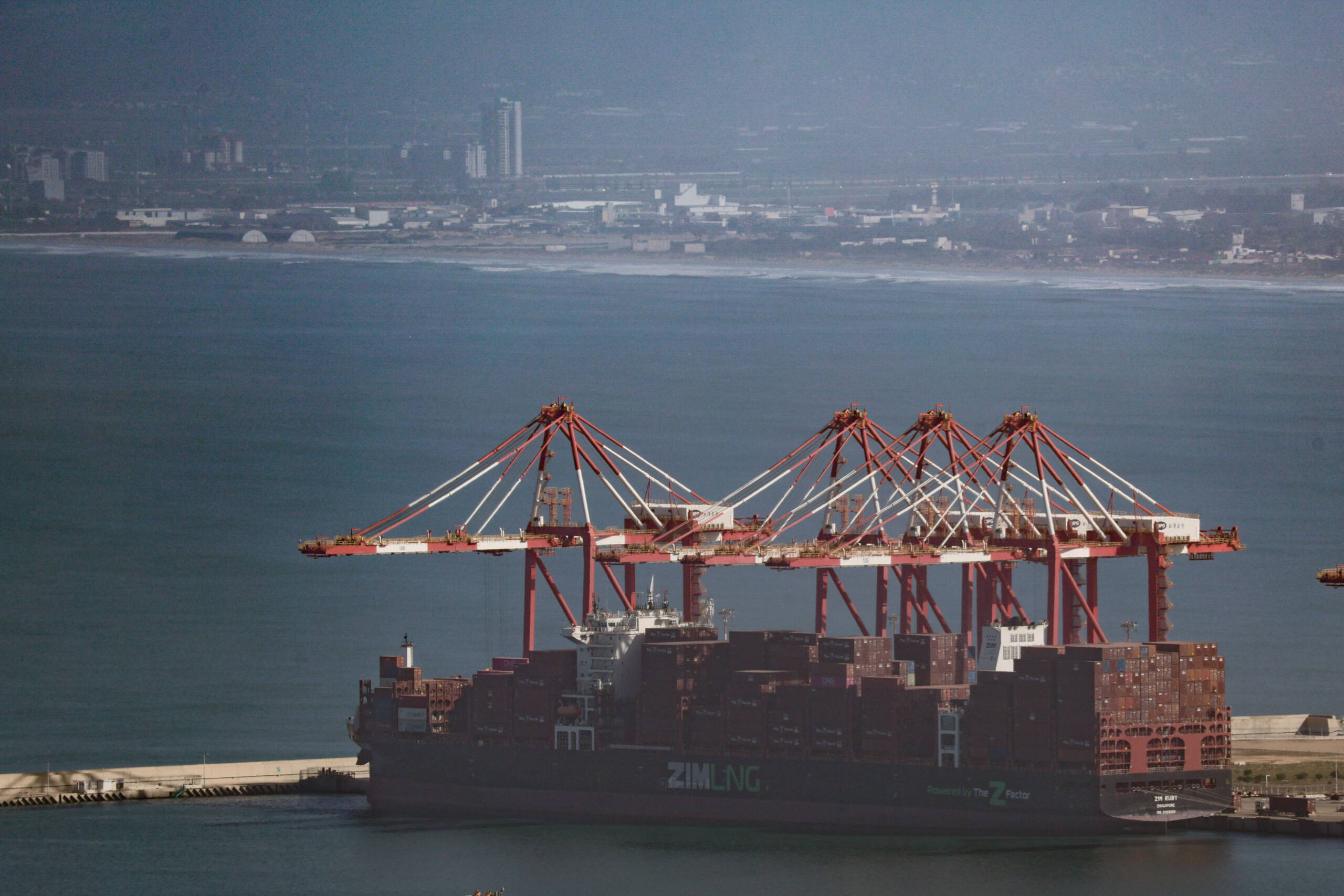
That overnight shift came with reports that German shipping giant Hapag-Lloyd, together with the investment fund PIMCO, is set to acquire ZIM in a deal valued at more than $3.5 billion. Under the framework being discussed, Hapag-Lloyd would take control of ZIM’s international operations, while PIMCO would acquire the Israeli side, with the state retaining a so-called golden share. On paper, it reads like a clean financial restructuring, global logic applied to a global industry. Ships, routes, balance sheets. Nothing emotional, nothing symbolic. Except ZIM has never really been just another shipping line, especially not in Haifa.
That’s where the reaction from Haifa’s mayor, Yona Yahav, cuts straight through the technocratic language of the deal. His demand to halt the sale reframes the conversation entirely. ZIM, he argues, is no longer merely an economic actor but a company with strategic national significance. In his view, transferring control to foreign hands, even with an Israeli fund involved and a golden share in place, crosses a line. The concern isn’t abstract. It’s about leverage, about long-term control of maritime infrastructure, about decision-making power quietly shifting elsewhere. And, more immediately, about people. Thousands of jobs, many of them rooted in Haifa, hang in the balance, tied to a company whose identity has been interwoven with the city’s port for decades.
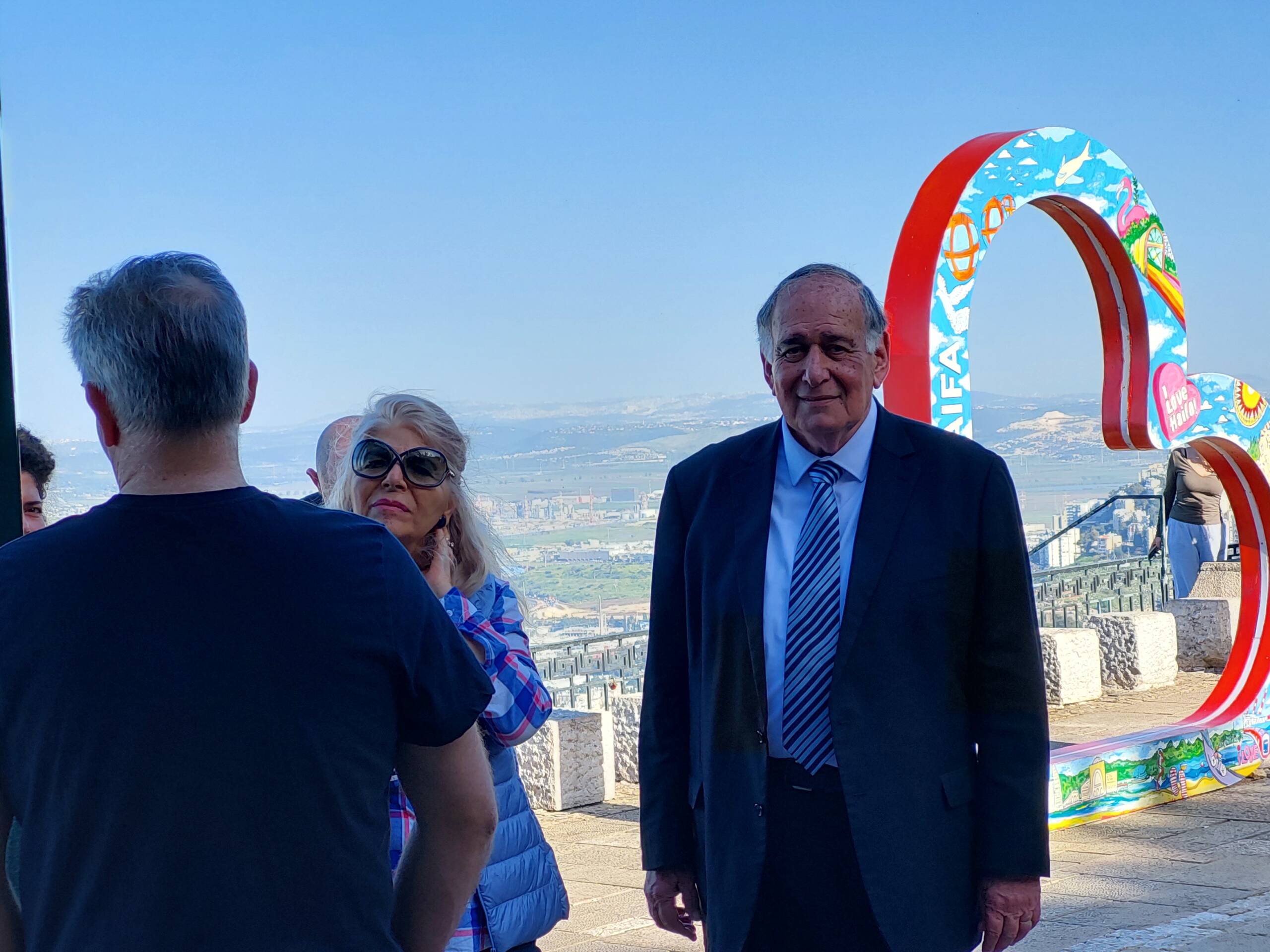
Haifa’s mayor, Yona Yahav
Looking again at the photograph, the tension becomes visible. The ship is motionless, yet the story around it is anything but. Those cranes could just as easily be read as instruments of continuity or symbols of extraction, depending on who ultimately controls what passes beneath them. The calm sea feels ironic now, a reminder that strategic shifts rarely announce themselves with drama at the physical level. They arrive through press releases, frameworks, and valuations, while ports continue to operate as usual. For Haifa, the question isn’t whether global capital will flow through its harbor. It always has. The question is whether ZIM remains anchored, in any meaningful sense, to the city whose skyline fades quietly behind it in the haze.
Leave a Reply