Cybertech 2026 closed in Tel Aviv with an atmosphere that no amount of planning or programming could have produced, shaped instead by a convergence of technology, national grief, and collective resilience that quietly redefined the entire event. This year’s conference unfolded at a moment when Israel itself was holding its breath, and that tension moved through the halls as tangibly as the hum of servers and screens. The presence of Noa Argamani, standing not as a speaker in the usual sense but as a living symbol of survival and endurance, gave the gathering an emotional anchor that no keynote could replicate. At the same time, news broke of the return of the body of Ran Gvili, the last Israeli hostage still held by Hamas, a moment that coincided with the conference days and cast a heavy, unavoidable stillness over everything happening inside the venue. Conversations paused, phones were checked more often, voices dropped, and for a brief stretch of time the entire cybersecurity ecosystem seemed to inhale together.
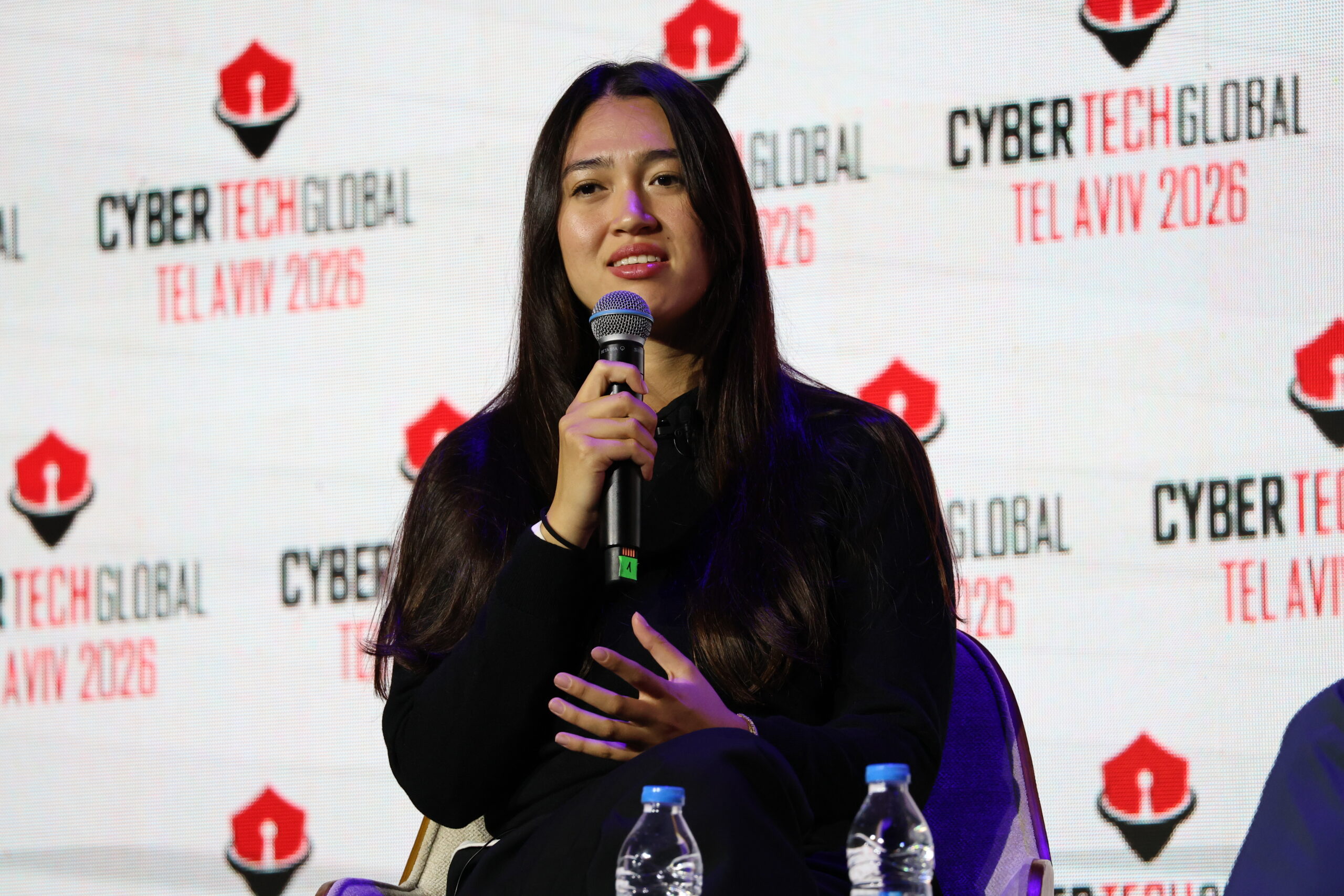
Noa Argamani, BGU Computer Science student and captivity survivor
Against that backdrop, the theme of resilience stopped being abstract. Panels on operational continuity, national cyber defense, and AI-driven security took on a different tone, stripped of marketing gloss and framed by a much more basic question: what does it actually mean to protect something that matters. The discussions were sharper, sometimes quieter, and noticeably more serious. Vendors were pushed hard on outcomes rather than promises, on integration rather than vision, and on responsibility rather than scale. Even the hallway meetings, usually rushed and transactional, felt slower and more deliberate, as if everyone was suddenly aware that the systems being built and sold were connected to something larger than quarterly targets. It was one of those rare moments when a tech conference feels less like an industry marketplace and more like a checkpoint in a longer, more difficult journey.
Noa Argamani’s presence crystallized that shift without needing to be framed or explained. She embodied the idea that resilience is not uptime or redundancy but persistence, the refusal to disappear even when circumstances demand it. The return of Ran Gvili’s body, after so many years of uncertainty, added a layer of finality that few in the room were prepared for, yet everyone seemed to understand instinctively. The timing felt almost unreal, as if the country itself had chosen this gathering of security professionals to mark the closing of a wound. For a while, cybersecurity stopped being about threats and defenses and became about memory, obligation, and the fragile continuity that holds a society together.
When Cybertech 2026 finally came to an end and attendees stepped back into the winter light of Tel Aviv, the feeling was not the usual post-conference buzz but something heavier and more meaningful. Deals were made, partnerships sketched, and strategies adjusted, but those achievements felt secondary to the shared experience of standing at the intersection of technology and national reality. The conference will be remembered not just for its panels or announcements, but for the way it quietly reflected a nation’s resilience at a moment when resilience was not a concept, but a necessity.
Leave a Reply